Łodzie żaglowe Rennjolle (1995)
RENNJOLLE / N-JOLLE History, Design and Significance of the Racing Class
1. Introduction
Rennjolle (N‑Jolle) is one of the most fascinating racing dinghy classes developed in Germany. It represents a development class, allowing designers considerable freedom while complying with a limited set of class rules.
2. Origin of the Name Rennjolle
The term “Rennjolle” derives from the German words “Renn” (racing) and “Jolle” (dinghy). The name literally translates as “racing dinghy”.
3. History of the N‑Jolle Cl
The origins of the class date back to the early 20th century. The first boats carrying approximately 10 square metres of sail appeared around 1910 in Germany and Austria. In 1921 the class received official recognition at the German Sailing Congress in Berlin.
The 1920s and 1930s became the golden age of the N‑Jolle, attracting leading designers and sailors throughout the Baltic region.
4. Design and Class Rules
N‑Jolle is a development class. Historically, the primary limitation concerned sail area, approximately 10 square metres. The limited number of restrictions encouraged innovative and highly competitive designs.
These boats became known for their lightweight construction, elegant hull lines and outstanding racing performance.
5. Einheitszehner and Class Development
In 1932, designer Reinhard Drewitz introduced the “Einheitszehner”, a standardized version of the N‑Jolle. The concept aimed to reduce design disparities and create closer racing competition.
6. N‑Jolle Today
EN: Although the class declined after World War II, enthusiasts preserved a number of historic boats. Since the early 21st century interest has grown again, with gatherings and regattas regularly organised in Germany and Austria.
Editorial Notes
This version has been edited based on the material provided. Nautical terminology has been added, the style has been revised, and the historical information has been organised.
MIGOTKA – THE PRE-WAR SOUL OF EUROPEAN SAILING
Some boats are built to sail. Others tell a story.
Migotka belongs to both categories.
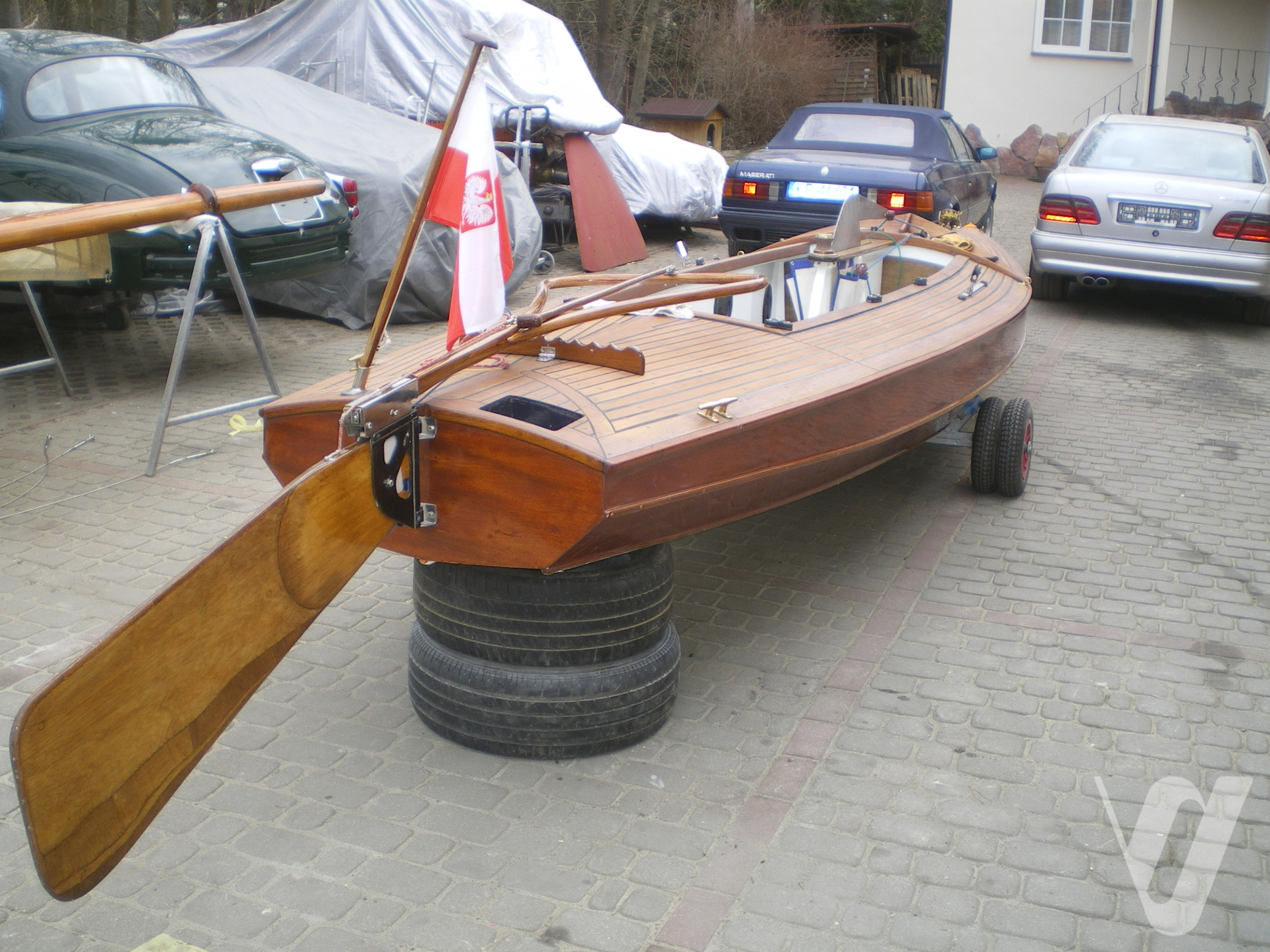
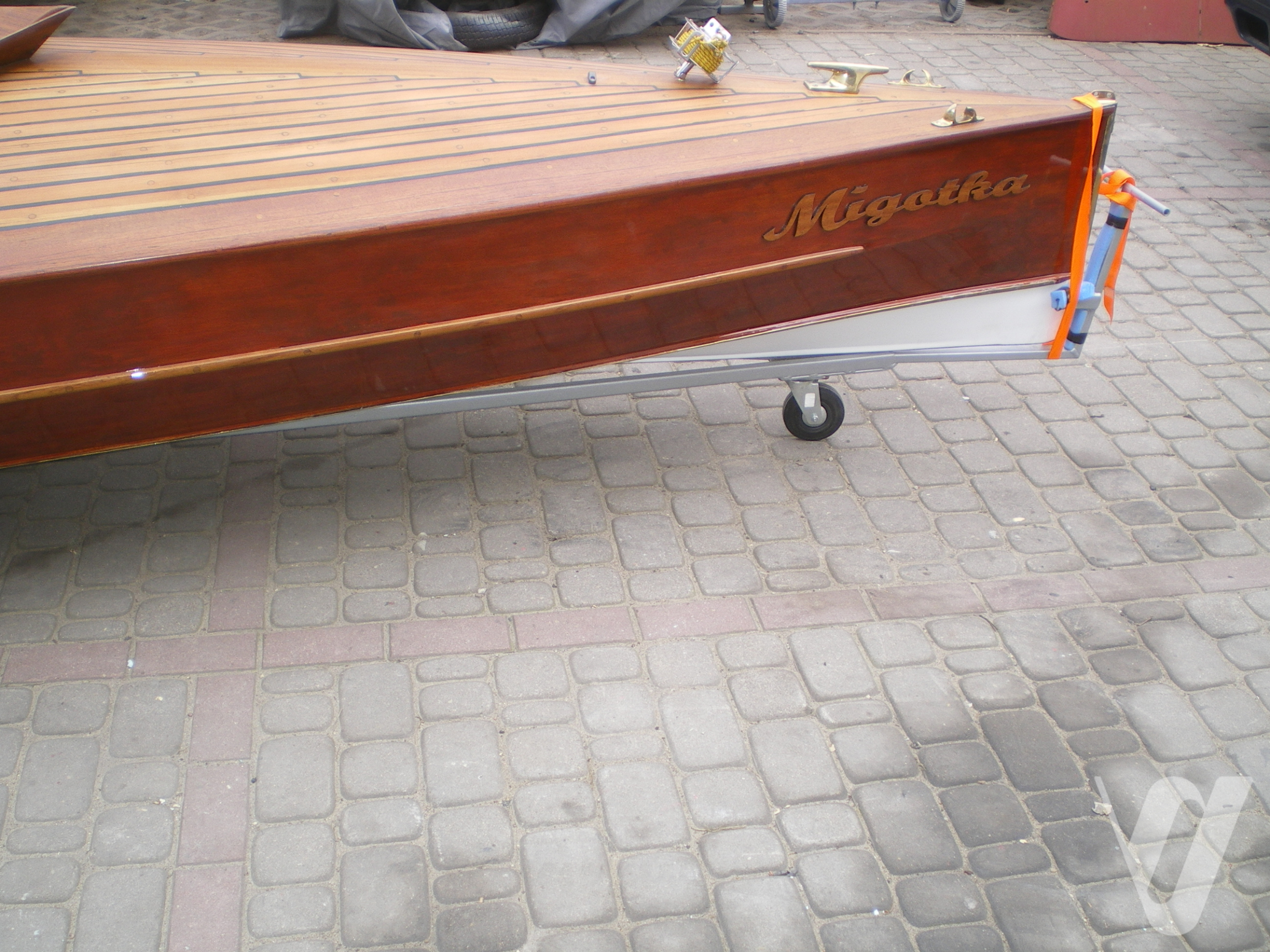
She was built in a world that no longer exists—in an era when racing boats were designed with a pencil on drafting paper, and their beauty was just as important as their performance. She is a representative of the legendary Rennjolle (N-Jolle) class, one of the most fascinating racing classes in the history of European sailing.
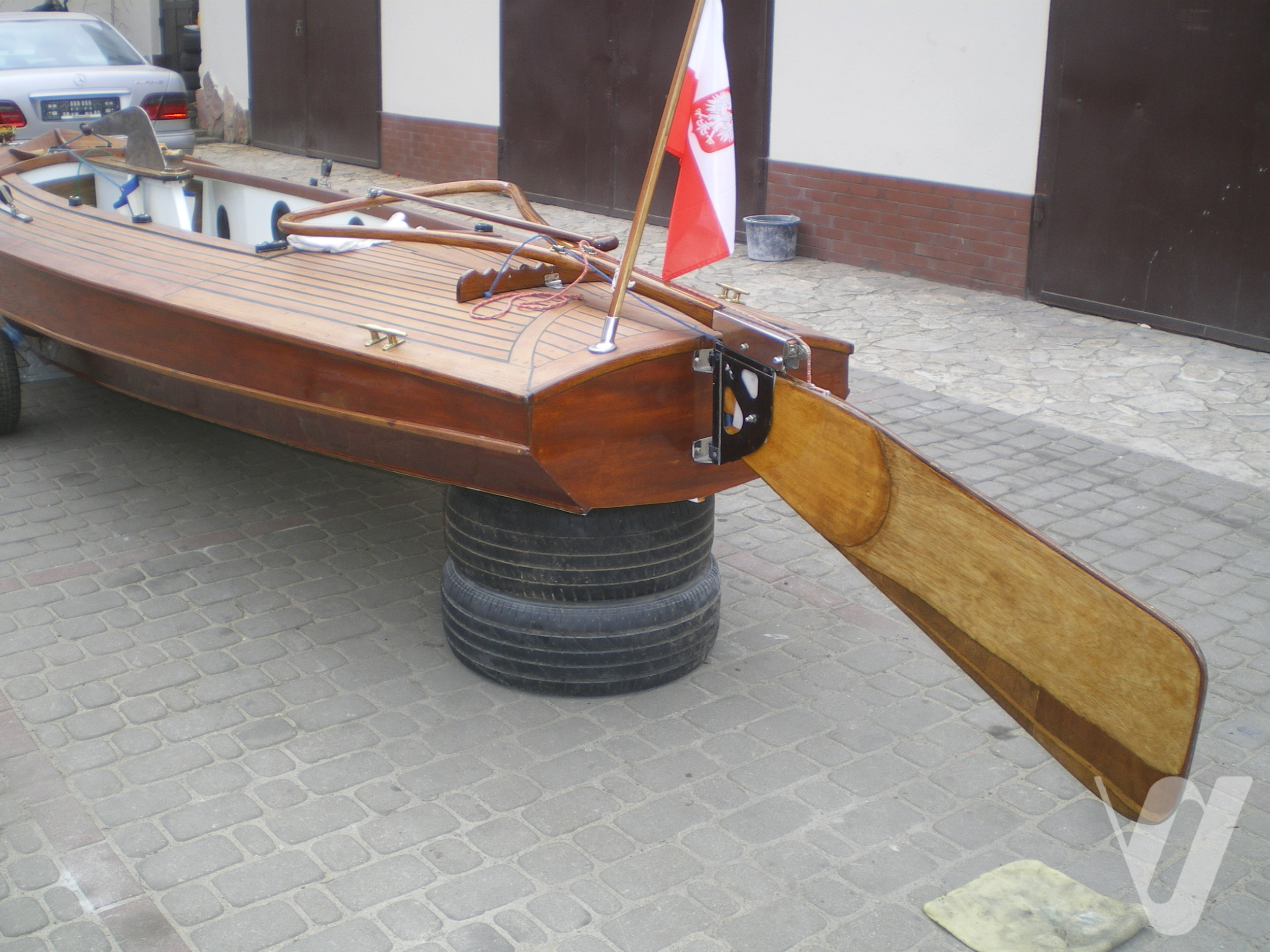
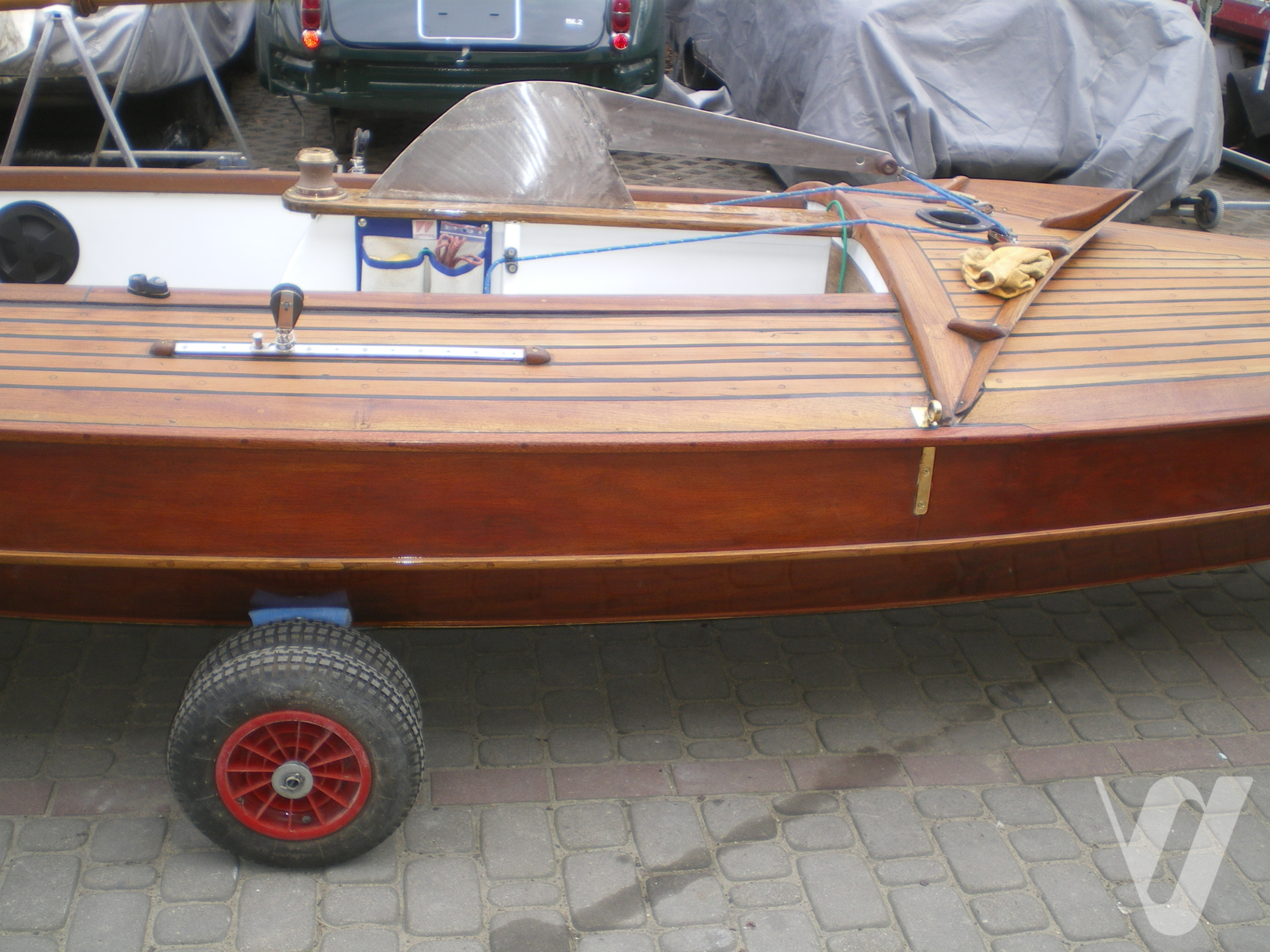
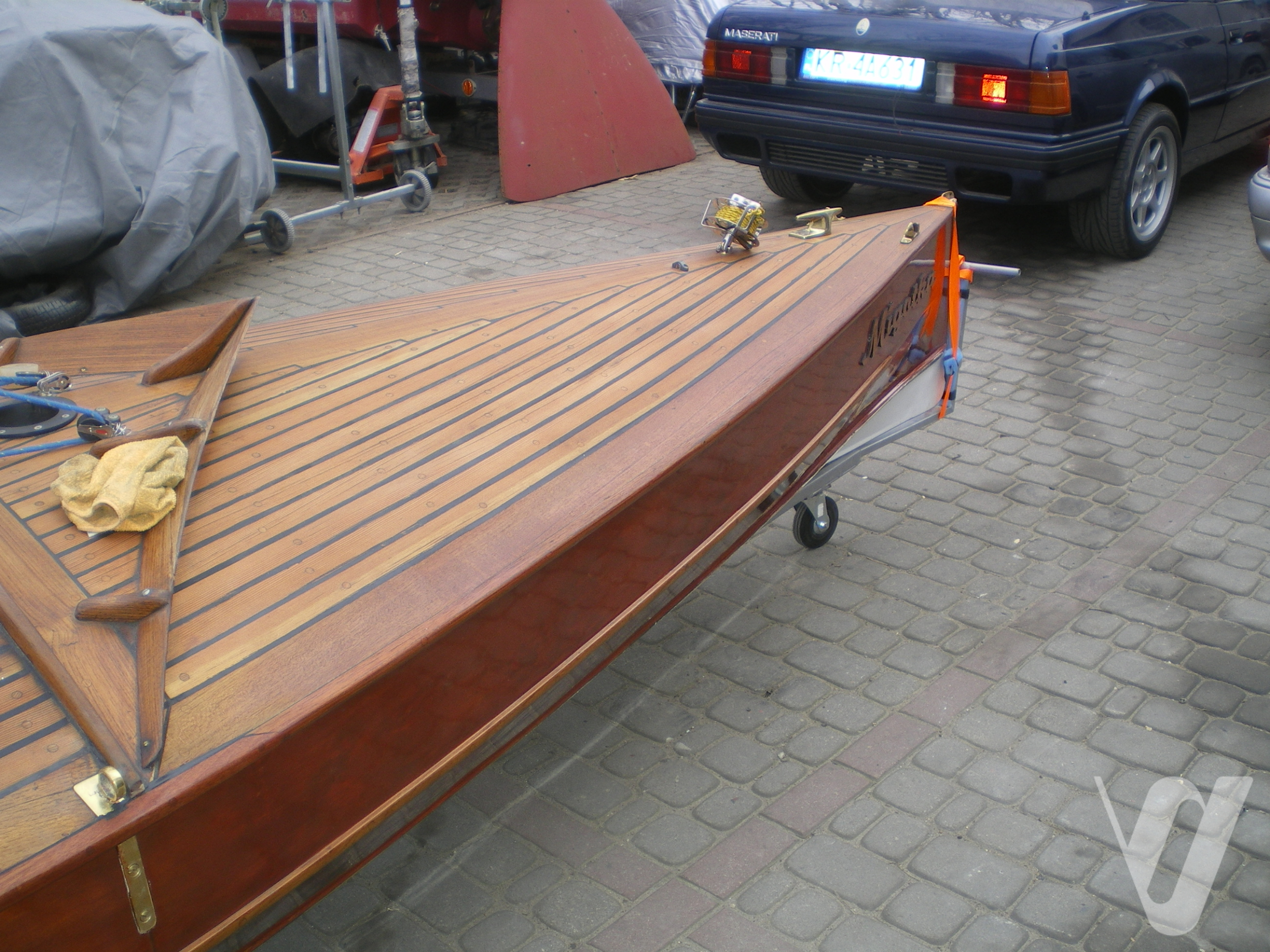
Its slender silhouette, low freeboard, elegant proportions, and exceptionally long, harmonious hull lines mean that even today it attracts attention with a power that is hard to find in modern fibreglass constructions. Nothing about the Migotka is accidental. Every detail evokes a time when boat building was an art, not industrial production.
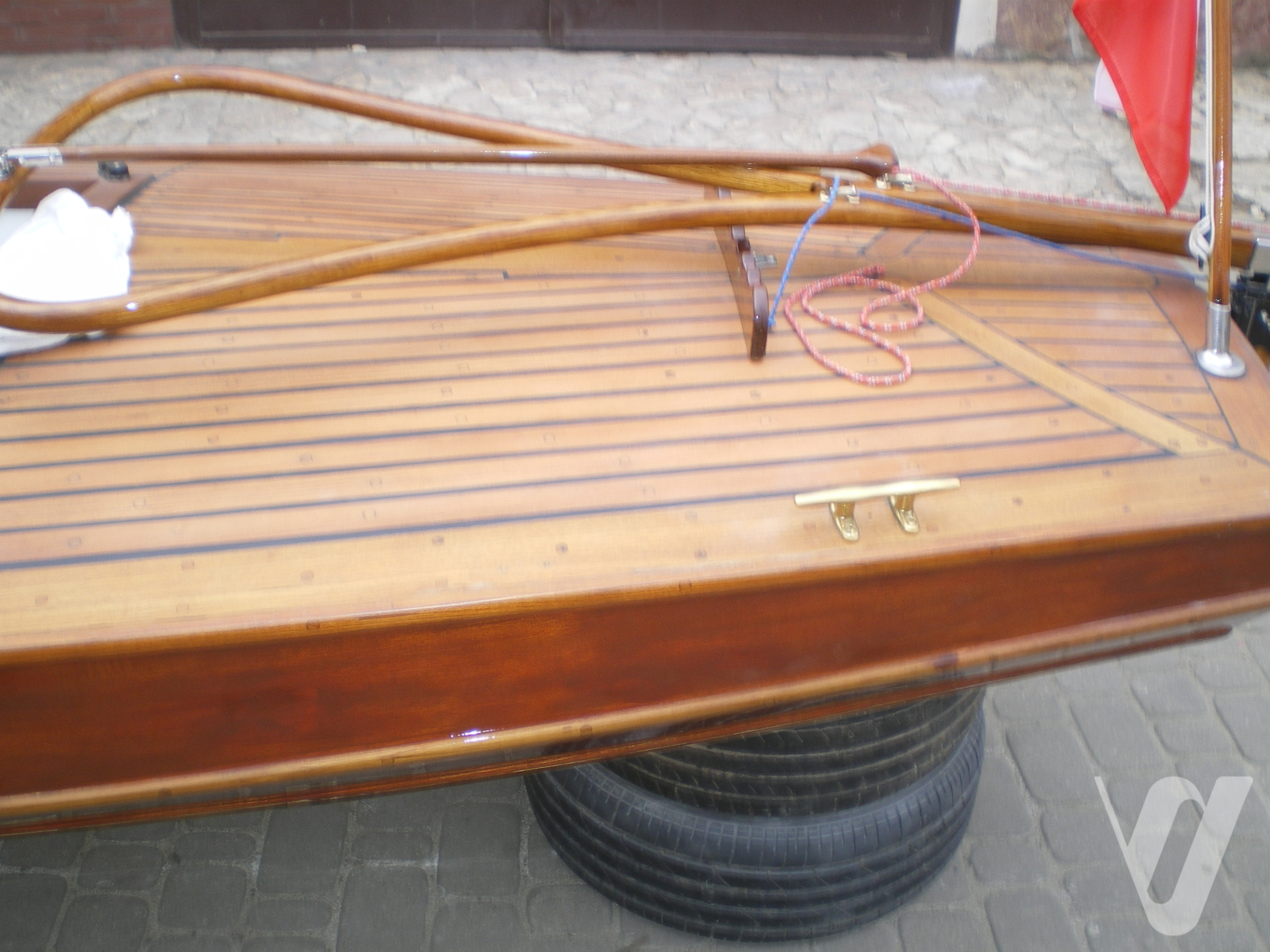
Looking at her wood-panelled deck and handcrafted fittings, it is easy to imagine the atmosphere of regattas from nearly a century ago. The morning silence over the lake. The sound of the wind in the sails. The wooden hull cutting through the water with the grace that made the Rennjolle class famous throughout Europe.
Today, such vessels are extremely rare. Most disappeared forever in the turmoil of the 20th century, and only a few have survived thanks to the passion and dedication of successive owners. For this reason, every surviving Rennjolle is more than just a boat—it is a witness to history and a living exhibit of European sailing culture.
The Migotka wasn’t built to sit in a marina as just another yacht. It was designed to race against the wind. That is precisely why, to this day, it exudes the energy and lightness that made the N-Jolle class one of the icons of interwar sailing.
This is an offer for a collector who understands the difference between owning an object and caring for a legacy. For someone who appreciates the beauty of handcrafted wooden structures and knows that the true value of historic vessels is not measured by the length of the hull or the sail area, but by the stories they carry.
The Migotka is just such a story.
It is not just a classic sailing boat.
It is a piece of European sailing history that can still set sail.